


Same animal, different breed.
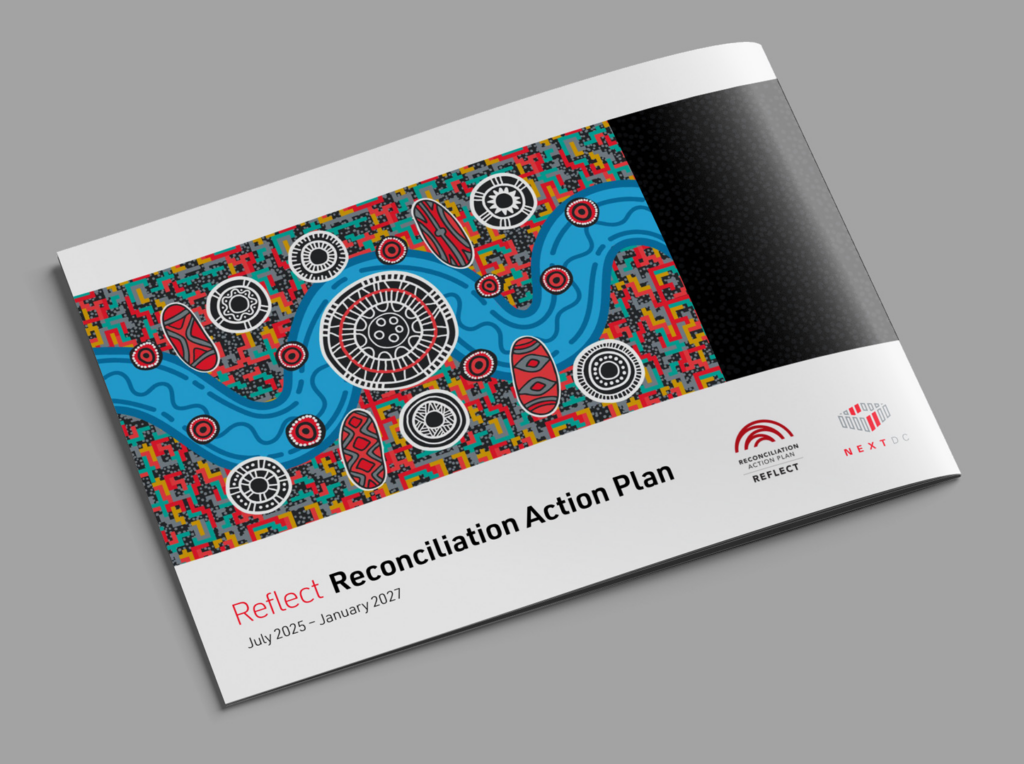
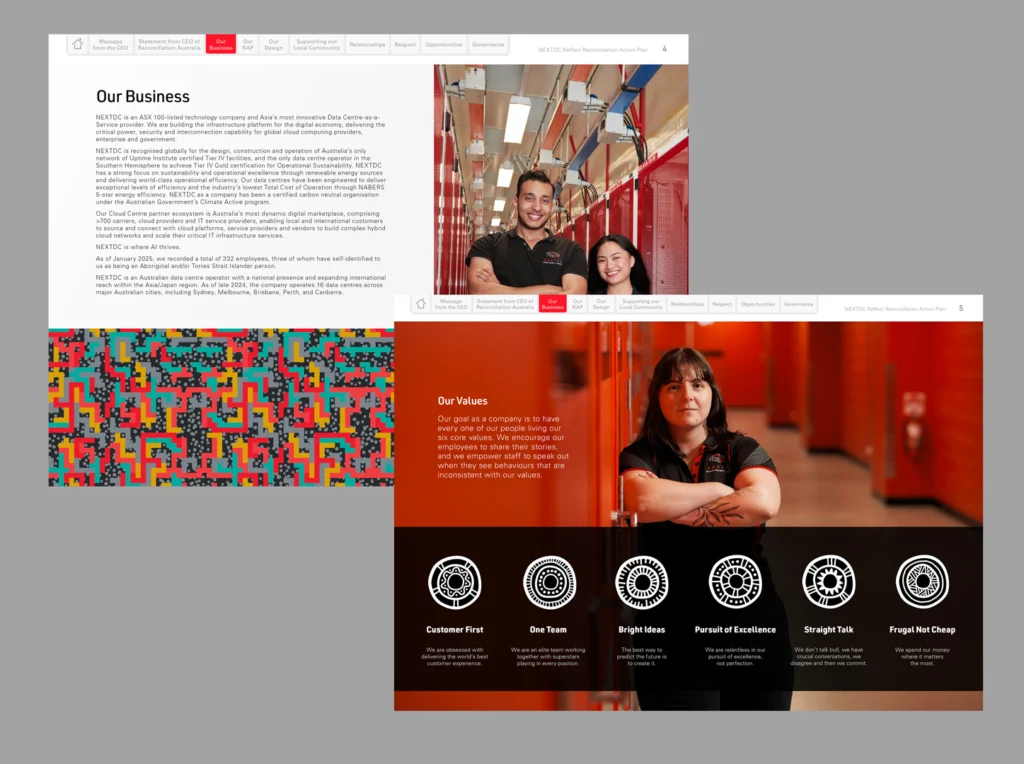
With more than 25 years in creative design grounded in a distinctly Indigenous perspective, our approach has consistently returned to three core principles. At first glance they may seem simple, but for us they are fundamental to how we think, create, and operate as an Indigenous creative agency.
Design vs Art
Early in my career, I learned the importance of distinguishing between art and design, and between an artist and a designer. As I often say, they’re the same animal, just a different breed.
In many Western contexts, that line can blur. In a First Nations context, it remains clear in my eyes.
Art is the role of the artist and is grounded in the expression of Culture and Country. It carries story, identity, and connection. Artists create visual songlines that reflect people, place, and lived experience. This is cultural work, embedded with meaning and responsibility.
Design, by contrast, serves a different purpose. Within an agency setting, design is about communication. It creates visual solutions that support and strengthen a product, service, or organisation. It is driven by function, audience, and intent to translating ideas into outcomes.
True Representation
True representation is straightforward in principle, but critical in practice.
For us, authentically representing both Aboriginal and Torres Strait Islander cultures is essential. Where appropriate, both cultures are acknowledged and reflected through design elements, collaboration, and the thoughtful use of colour and symbolism.
This means prioritising Aboriginal and Torres Strait Islander designers and artists in our work. Representation goes beyond aesthetics; it’s about voice, authorship, and respect.
Appropriation
Across the evolution of our studios, from Ingeous Studios to Indigenous Design Labs, and now as part of new breed agency, Red Ochre Republic we have maintained a clear position.
We do not work with artwork that has been appropriated or used without proper cultural authority.
Respect for culture is non-negotiable.
Many of our clients come from Central and Western Desert communities, where symbols and motifs hold deep cultural significance. Misuse or misrepresentation is not just inappropriate, it can be harmful.
The use of the Dhari, for example, is significant. While it can represent the Torres Strait, its inclusion in design carries cultural responsibility. Where possible, Torres Strait Islander design elements should be created by Torres Strait Islander designers. And when the Dhari is used, it should always remain upright. As shared with me by a Torres Strait Islander Elder, an inverted Dhari represents misfortune, something we should never embed in design.
As designers, we each have a responsibility to make informed and respectful choices. In our practice, we avoid using culturally specific symbols, particularly those representing people in Western and Central Desert iconography, unless there is clear cultural authority.
When clients present work featuring these motifs, we ask important questions: Who created this? Do they have cultural ties to the communities these symbols belong to?
We don’t see ourselves as gatekeepers or judges. Creative practice is a journey—shaped by lived experience and the ongoing impacts of colonisation on cultural identity and expression.
In my own journey, I was fortunate to learn early from designer Lamickey Pitt during my time as a trainee at Aboriginal Hostels Limited. He instilled in me a clear understanding of the responsibilities and boundaries of cultural representation, long before these conversations became more widely recognised.
Those who know me understand how strongly I feel about the distinction between art and design. When my work is described as art rather than design, I still challenge that.
But over time, I’ve come to recognise that understanding develops through dialogue. I can share my perspective—what others take from it is theirs to consider.